Forget paylines. Forget ways-to-win. Cluster pays slots throw all of that out and replace it with something simpler: match a group of identical symbols touching each other, and you get paid.
That’s it. No tracing lines across reels wondering if you actually won. If five or more matching symbols connect horizontally or vertically on the grid, that’s a win. The bigger the cluster, the bigger the payout.
How Cluster Pays Actually Works
Traditional slots use paylines – fixed patterns that run across the reels. You need matching symbols to land on these specific lines. Cluster pays games ditch that entirely. Instead, you’re playing on a grid (usually square), and wins form when identical symbols touch each other in groups of 5 or more.
Think of it like a puzzle game. Candy Crush, basically. Symbols land on the grid, clusters form, winning symbols disappear, and new ones fall in from above. Which brings us to the next part.
The Cascade Connection
Almost every cluster pays slot uses cascading wins (also called tumble or avalanche mechanics). When a winning cluster clears, the remaining symbols drop down and new ones fill the empty spaces. This can create chain reactions – one spin triggering three, four, sometimes ten consecutive wins.
It’s addictive to watch, I’ll give it that. And it means a single spin can pay out way more than you’d expect from the initial bet.
Grid Sizes Matter More Than You Think
Most cluster pays games use grids instead of traditional reel layouts. Common sizes:
- 5×5 – The classic. 25 positions, manageable grid. Reactoonz uses this.
- 6×6 – More room for bigger clusters. This is where Sugar Rush lives.
- 7×7 – Maximum chaos. Larger grids mean higher potential clusters but also more variance. Wins can be enormous or completely absent for long stretches.
Bigger grids don’t automatically mean better games. A 7×7 grid with bad math is still a bad slot. But when the math model works, larger grids create more opportunities for those chain-reaction cascades that make cluster pays fun.
Best Cluster Pays Games Worth Trying
Reactoonz (Play’n GO) – The one that popularized the format. 5×5 grid, alien theme, and a genuinely clever feature system where you charge up different abilities based on your wins. It spawned two sequels, and the original still holds up.
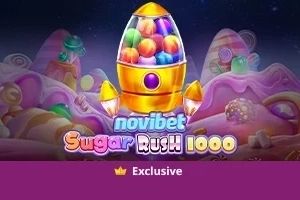
Sugar Rush (Pragmatic Play) – Pragmatic’s take on the candy-grid concept. 7×7 grid with multiplier positions that increase every time a winning cluster hits them. The Sugar Rush 1000 variant cranks those multipliers even higher.
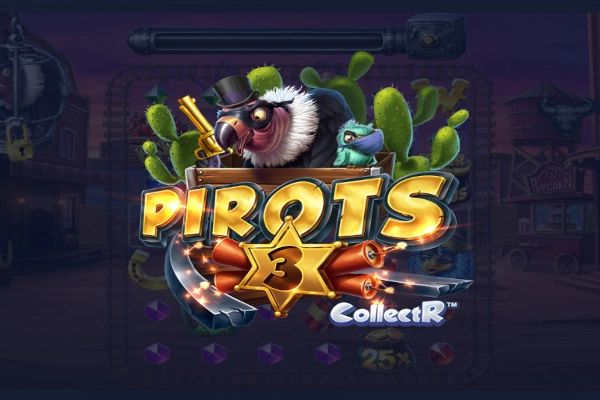
Pirots series (ELK Studios) – Three games deep now, and each one improves on the last. Parrot pirates on a cluster grid. Sounds silly, plays brilliantly. ELK’s math models are consistently among the best in the industry, and the Pirots games showcase that.
One Honest Criticism
Cluster pays games can feel slow. Because you’re waiting for cascades to resolve, each spin takes longer than a traditional slot. And when nothing connects? You’re staring at a dead grid with no partial wins, no “close calls.” It’s all or nothing, which can drain a bankroll fast during cold streaks.
But when they hit, the cascade chains are genuinely exciting. Try a few in demo mode before committing real money – you’ll know within 50 spins whether the format clicks for you.
Browse our full collection of cluster pays slots to find your grid.